


The structural steel fabrication shop of ten years ago ran on skilled labor, manual layout, and considerable rework. Today’s shops run on CNC plasma and laser cutting, robotic welding cells, automated material handling, and software-driven production scheduling. That shift didn't happen all at once, and the changes are far from finished.
Automation in structural steel fabrication is accelerating for straightforward reasons. Today, labor availability is constrained, project schedules are compressed, and tolerance requirements on fabricated assemblies are tighter compared to a generation ago. Shops that invested in automated equipment are producing more work with fewer errors and shorter lead times. Those that haven't are finding it harder to compete on complex, high-volume projects.
What Automation Actually Changes in the Fabrication Process
CNC cutting equipment changed structural steel fabrication by removing manual layout and torch cutting from the critical path. Automated plasma and laser systems cut copes, slots, holes, and profiles to consistent tolerances without operator variation between pieces. The result is faster throughput and tighter fit-up on welded assemblies. This reduced time spent on joint preparation and grinding before welding.
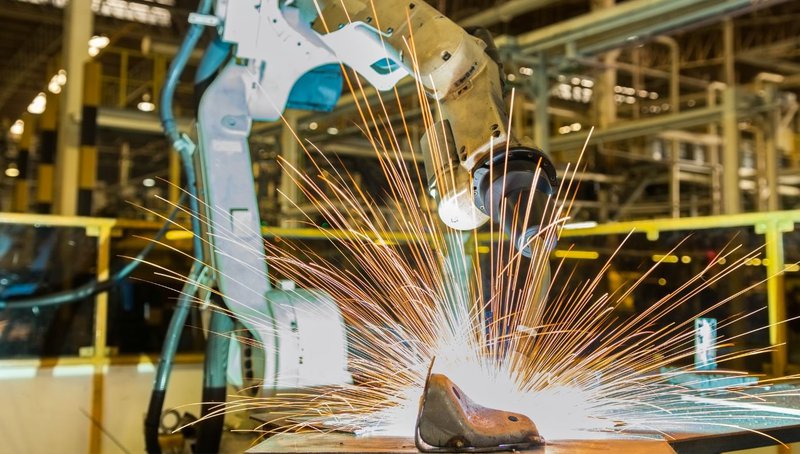
Robotic welding takes the next step. A robotic welding cell programmed from a BIM (Building Information Modeling) model can execute complex weld sequences on HSS connections, beam-to-column joints, and truss nodes with consistent heat input, travel speed, and bead geometry. Consistency in welding directly affects the mechanical properties of the finished joint. According to the American Welding Society, weld procedure compliance is a fundamental requirement for structural welds on buildings and bridges. Automated systems make compliance easier to maintain across high-volume runs.
Material handling automation such as conveyor systems, automated storage and retrieval, and machine-tended saw lines removes the manual movement of heavy steel members from the production floor. Doing so reduces injury risk and allows cutting and drilling equipment to run at higher utilization rates.
Material Consistency as a Requirement, Not a Preference
Automated structural steel fabrication equipment assumes consistent input material. A CNC punch or drill line programmed to a specific wall thickness will produce mislocated holes if actual wall thickness varies beyond tolerance. A robotic welder programmed to a specific joint geometry will produce defective welds if tube dimensions shift between pieces.
This is where material supply becomes a direct enabler of automation performance. Structural steel fabrication shops running automated equipment need hollow structural sections (HSS) with tight dimensional consistency across the full order quantity. Heat-to-heat variation in mechanical properties also matters: automated weld parameter settings are optimized for a material chemistry range, and excursions from that range require manual intervention that defeats the purpose of automation.
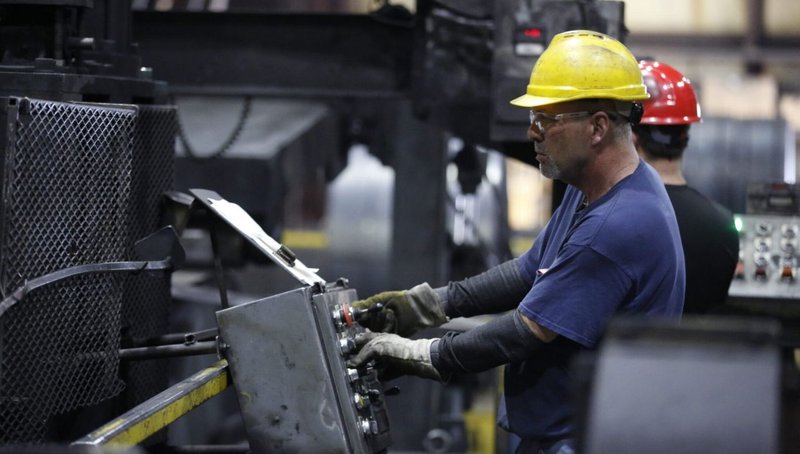
Bull Moose Tube's manufacturing processes support the dimensional and mechanical tolerances that automated fabrication requires. Consistent wall thickness, section geometry, and material properties across production runs mean automated equipment runs as programmed, not as adjusted.
Where Structural Steel Fabrication Is Heading
The trajectory of structural steel fabrication points toward tighter integration between design models and fabrication equipment. Direct transfer of BIM geometry to CNC cutting and drilling machines is already standard in advanced shops. The next phase involves automated quality verification: machine vision systems checking cut profiles and hole locations against design intent before pieces move to the next operation.
Fabricators investing in this equipment need material supply partners whose product quality supports automated production. That alignment between fabrication technology and material performance is where the next round of productivity gains will come from. To discuss how Bull Moose Tube supports automated structural steel fabrication programs, contact Bull Moose Tube.