


Data center construction moves fast, and your structural steel needs to keep pace. Standardized HSS section selection keeps every phase of a large build moving together. You reduce delays and simplify procurement when every facility vertical tier uses matching profiles.
Data center tiers range from basic single-path facilities to large fully redundant campuses. You need a repeatable HSS section strategy that scales across every bay and every tier level. Follow this practical guide before finalizing framing standards for your next data center.
Why Should You Standardize HSS Section Selection Across Data Center Tiers?
Standardizing HSS section selection speeds design, procurement, and fabrication across every project tier. Repeated profiles also let fabricators pre-order material well ahead of the build schedule. Fabricators increasingly pair standardized sections with modular data center construction across the industry.
Choosing HSS Section Sizes for Structural and Mechanical Loads
Data center structures carry heavy mechanical loads from cooling and backup power equipment. HSS section sizing must account for rack density, catwalks, and heavy rooftop units. You avoid future retrofits by planning for capacity growth in each design phase.

Larger facilities often need bigger profiles to span longer column bays. Smaller edge facilities can standardize on lighter sections without sacrificing needed structural performance.
Consider these factors when standardizing HSS section sizes across every data center facility tier:
- Rack, cooling, and backup power equipment loads present at each data center tier.
- Roof and floor spans planned well ahead for future facility capacity expansion needs.
- Seismic and wind demands specific to each project location and regional building code.
- Fabrication efficiency gained from repeating the same proven section sizes across future projects.
Structural engineers typically size HSS section profiles using standard AISC design reference tables. The process gets faster once your team commits to an available and preferred size list.
A standardized approach shortens engineering time on every future data center project too. It also gives fabricators confidence when quoting repeat orders for later expansion phases. Your HSS section standard becomes a lasting asset across your entire building portfolio.
Applying Standards Across Facility Design Phases
Design phases move quickly once standard HSS sizes gets locked in early. Detailers reference the same section list from early concept through final construction documents. Fewer section changes mean fewer coordination errors between structural and mechanical design teams.
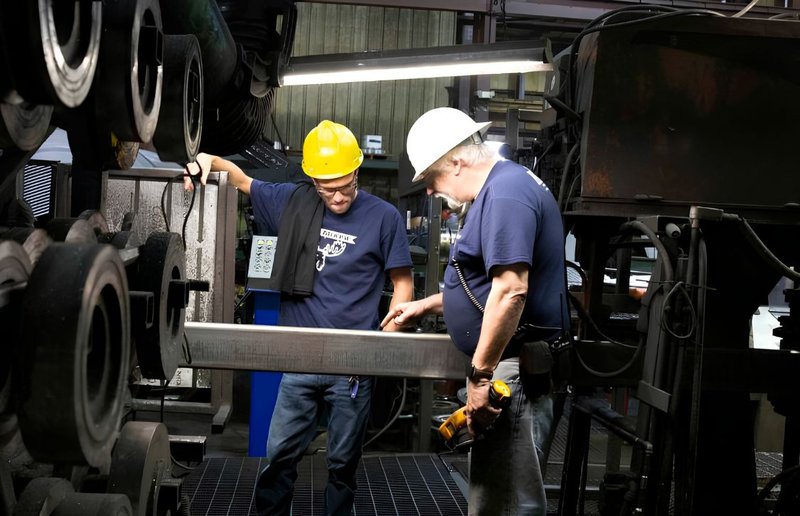
Fabrication shops also benefit, since repeat sizes speed up cutting and welding schedules. Some fabricators now pair standard sections with automated structural steel fabrication equipment today.
Selecting the right tubing early prevents costly change orders later in a project. Your team gains flexibility while still keeping the overall building design tightly organized. A well-planned HSS standard supports every future vertical tier without added project risk.
Standardization pays off most when a client builds several data centers over time. Every added facility becomes faster to design, price, and construct than the last.
Standardize Your Next Data Center's Plan Today
Your next data center deserves a framing plan that scales without added risk. Bull Moose Tube manufactures domestic HSS products engineers trust for the most demanding builds. You gain reliable supply, technical guidance, and sizes that fit every facility tier.
Every data center program benefits from a clear, repeatable structural steel strategy early. Our team helps you standardize readily available sizes across every tier in your building program. Reach out to Bull Moose Tube to plan your HSS section standard now.