


Fire safety shapes nearly every structural decision on a modern commercial building project. Concrete-filled HSS column units give architects and engineers a proven path to compliance. You get real fire resistance without hiding your structural steel behind added materials.
Traditional fireproofing methods often cover steel columns in spray coatings or drywall enclosures. Spray coatings work, but they hide the clean architectural lines many designers want to show. Concrete-filled HSS column units offer a smarter alternative worth understanding before your next design.
Why Do Concrete-Filled HSS Column Units Improve Fire Resistance?
Concrete inside an HSS column absorbs heat and slowly releases moisture as steam. The process keeps the steel shell cooler for a much longer period during a fire. Engineers can achieve a two-hour fire rating through prescriptive design without extra fireproofing materials.
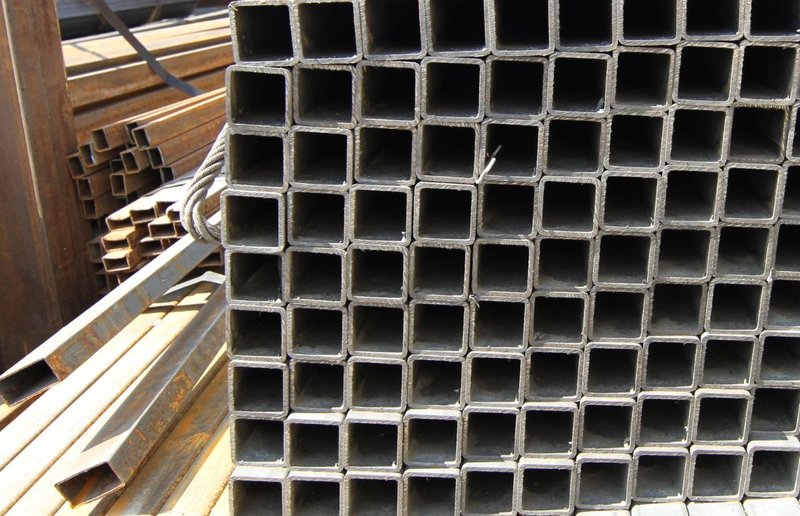
How Concrete Fill Extends Fire Endurance in an HSS Column
An HSS column filled with concrete behaves differently than an empty steel section. The concrete acts as a heat sink, drawing warmth away from the outer shell. Trapped moisture within the mix turns to steam and slows the temperature rise further.
Prescriptive design methods apply specific outside dimension limits to every concrete-filled HSS column. Rectangular sections generally range from about 5.5 inches up to 24 inches across. Round HSS columns can reach up to 18 inches under the same design approach.
According to the Steel Tube Institute, a concrete-filled HSS column reaches a maximum two-hour rating through calculation methods alone. Higher ratings require tested assemblies or performance-based design instead of simple prescriptive tables.
Reinforcement inside the HSS column pushes fire endurance well past baseline rated levels:
- Rebar cages help the concrete core hold together as it weakens under heat.
- Steel fiber reinforcement adds toughness without the added congestion of tied rebar cages.
- Small vent holes near the top and bottom release built-up steam pressure safely.

Every added layer of reinforcement changes the fire-performance math for your column. Engineers should confirm reinforcement details match the required rating for each specific project. Your fire protection consultant can help translate code requirements into exact column specifications.
Design Benefits Beyond Fire Resistance for HSS Columns
A concrete-filled HSS column solves fire resistance and structural capacity at the same time. The concrete core adds real axial strength, letting engineers reduce steel section size. Smaller columns free up floor space and reduce the steel tonnage on a project.
Exposed steel columns also stay visible, since no spray fireproofing covers the surface. Architects gain design flexibility while still meeting strict fire code requirements for occupancy.
Owners and architects both value this dual benefit on tight, visible-steel floor plans. Parking structures, high-rise cores, and open-plan offices all benefit from this fire-rated approach. Your project team avoids costly rework tied to fireproofing inspections and touch-ups later.
Maintenance also becomes simpler across the entire service life of the building structure. Concrete fill does not chip, peel, or require recoating like sprayed fireproofing does. Your building owner benefits from lower long-term maintenance costs on every protected column.
Specify Concrete-Filled HSS Columns for Your Next Project
Fire-rated design no longer forces a trade-off between safety and clean architectural steel. Concrete-filled HSS column units deliver both without added spray coatings or drywall enclosures. Bull Moose Tube supplies domestic steel hollow structural sections that engineers specify for demanding fire-rated applications.
Your next project can benefit from a fire-rated column strategy built around proven steel. Our team can help you match section size and wall thickness to your rating. Contact Bull Moose Tube to talk through your next concrete-filled HSS column design.