

Choosing steel tube manufacturers close to your project site or distribution network can shorten lead times, reduce freight costs, and lower the risk of supply disruptions. Distance affects far more than shipping time. It touches scheduling, inventory planning, and how quickly a supplier can respond when your needs change.
How Steel Tube Manufacturers' Location Affects Your Timeline
Every mile between a manufacturing plant and your job site adds time and cost to the delivery process. Long-haul freight is more vulnerable to delays from weather, traffic regulations, and carrier availability. A nearby plant shortens that chain and gives you more predictable delivery windows.
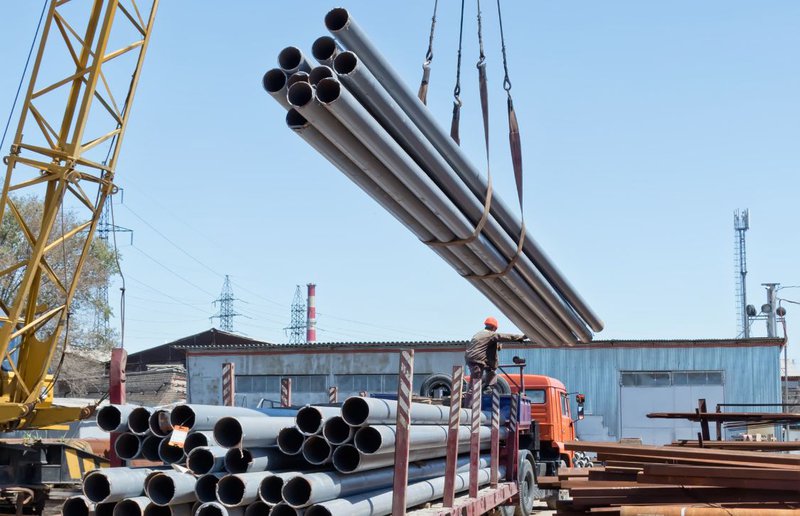
Shorter distances also mean fewer handoffs between carriers, which lowers the chance of damage or lost shipments. When steel tube manufacturers operate close to your region, they can often respond faster to last-minute quantity changes or rush orders. That flexibility becomes valuable when project timelines shift, which they often do.
The Freight Cost Factor
Freight costs can add up quickly on heavy steel products, and distance is one of the biggest drivers of that expense. Sourcing from a manufacturer with a facility near your project reduces the miles your material has to travel. Over the life of a large project, those savings can be significant.
We operate seven manufacturing facilities across North America, which puts us closer to more job sites and distribution points than many competitors. This footprint helps control freight costs while keeping delivery windows tighter. It also means we can serve regional projects without relying on a single, distant plant.
Reliability When Supply Chains Get Tight
Supply chain disruptions have become a regular part of doing business in construction and manufacturing. Working with steel tube manufacturers that have multiple regional plants adds a layer of resilience your project can lean on. If one facility faces a slowdown, production elsewhere can help fill the gap.
A few things worth confirming when you evaluate manufacturer proximity include the following:
- Ask how many manufacturing locations a supplier operates and where they sit relative to your project.
- Request average lead times from the specific plant that would service your order, whether for HSS or mechanical tubing.
- Confirm whether the manufacturer can shift production between facilities if one location faces delays.
- Review historical on-time delivery performance for your region, a topic we cover further in our guide to domestic steel tube manufacturers.
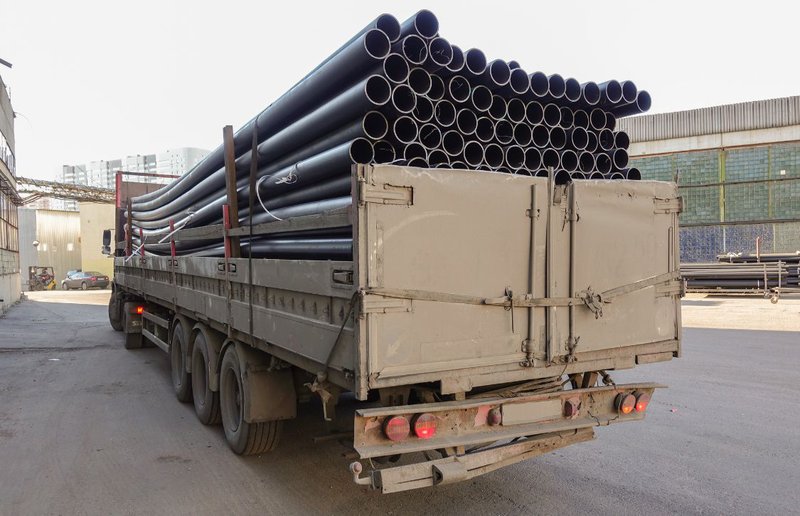
These questions help you separate manufacturers with genuine regional strength from those simply claiming national reach. The answers also give your project team a clearer picture of real-world reliability.
Bringing It Together
Proximity is not the only factor in choosing steel tube manufacturers, but it consistently affects cost, speed, and reliability. Our hollow structural sections and mechanical tubing ship from strategically placed plants designed to keep your project moving. This regional strength also supports time-sensitive builds, including scalable data center infrastructure and projects that depend on carbon steel tubing delivered on tight schedules.
If you are evaluating suppliers for an upcoming project, our team can walk you through which facility would serve you best, along with realistic lead times. We also cover related sourcing considerations in our breakdown of ERW pipe cost advantages for infrastructure work.
Contact our team today to find the plant and product mix that fits your project best.