

Sustainability now shapes material selection on nearly every commercial build, and structural tubing is no exception. Design teams pursuing LEED certification look closely at where their steel comes from, how it is produced, and what recycled content it carries. Making the right sourcing decisions early can support both your certification goals and your project's long-term performance.
Structural tubing offers a strong foundation for sustainable design because steel is one of the most recycled materials in construction. When you pair that recyclability with responsible manufacturing, you get a product that supports environmental goals without sacrificing strength. That combination matters for teams balancing performance requirements against certification checklists.
Why Structural Tubing Recycled Content Matters for LEED Credits
LEED certification awards points for materials with high recycled content, and structural tubing often qualifies thanks to steel's recycling infrastructure. Manufacturers who track and document recycled content give design teams the data they need to claim these credits confidently. Without that documentation, project teams can lose out on points they should have earned.
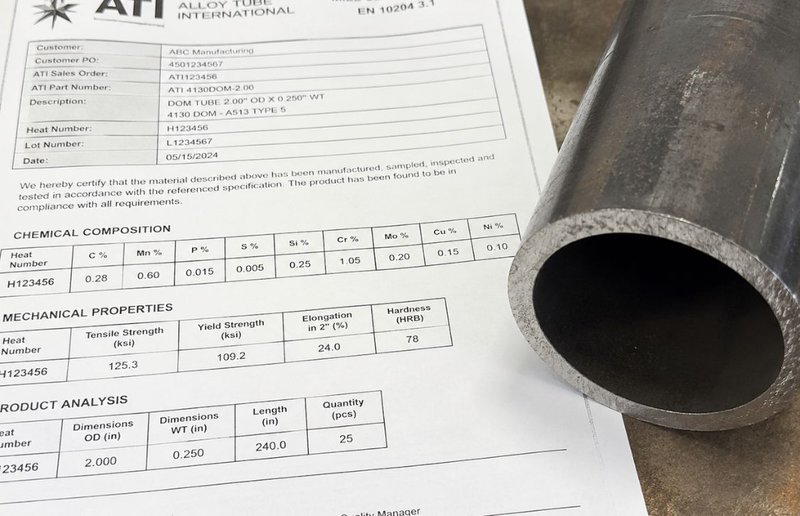
We manufacture Hollow Structural Section (HSS) products with documented recycled content and provide the Environmental Product Declarations design teams need for LEED submittals. This transparency saves time during the certification process and reduces back-and-forth with project reviewers. It also gives architects confidence that their material choices hold up under scrutiny.
Domestic Manufacturing and Its Sustainability Benefits
Sourcing structural tubing domestically carries sustainability advantages beyond recycled content alone. Shorter shipping distances reduce the transportation emissions tied to your project. Domestic production also supports consistent quality control, since manufacturers operate under the same environmental and labor standards throughout the supply chain.
Our facilities across North America allow project teams to source structural tubing regionally, cutting transportation impact while supporting local economies. This approach aligns with several LEED credit categories tied to regional materials and reduced environmental impact. It also gives your project a shorter, more transparent supply chain to document.
Low Embodied Carbon Considerations
Embodied carbon has become a growing focus for sustainability-minded design teams, and structural tubing plays a direct role in that calculation. Steel production methods vary in their carbon intensity, so understanding your manufacturer's process helps you estimate a project's overall footprint. Our Global Warming Potential data by facility makes this comparison easier by breaking down carbon values mill by mill.
A few practical steps can help your team source structural tubing with sustainability in mind:
- Request environmental product declarations before finalizing material specifications for HSS or mechanical tubing.
- Confirm recycled content percentages in writing for your LEED documentation.
- Compare embodied carbon data across manufacturers rather than assuming all steel performs the same.
- Ask about regional sourcing options for pipe pile products to reduce transportation-related emissions.

Following these steps early keeps your certification process on track and avoids last-minute documentation gaps. It also positions your project team as thorough and detail-oriented with reviewers.
Building Sustainably Without Compromising Strength
Sustainability goals should never come at the expense of structural performance, and structural tubing delivers both. Our team supports design professionals with the technical data and documentation needed to meet LEED requirements while sourcing tubing that performs reliably over the life of the building. For teams also working on high-performance environments, our guide to scalable data center infrastructure, carbon steel tubing performance, and slim profile HSS column designs covers related material considerations.
If your next project is chasing LEED credits, connect with our team early so we can help you source structural tubing that checks every box, from strength to sustainability documentation.