

Infrastructure projects run on tight budgets and even tighter timelines, which makes material selection a critical decision from day one. ERW pipe, short for electric resistance welded pipe, has earned its place as a reliable and cost-effective option for these projects. Understanding why it performs so well on cost helps engineers and buyers make confident specification decisions.
How ERW Pipe Manufacturing Drives Cost Efficiency
ERW pipe is produced by forming steel coil into a cylindrical shape and welding the seam using electric resistance heat. This process runs efficiently at high production speeds, which keeps manufacturing costs lower than many alternative pipe-making methods. Those efficiencies get passed along through more competitive pricing for buyers.
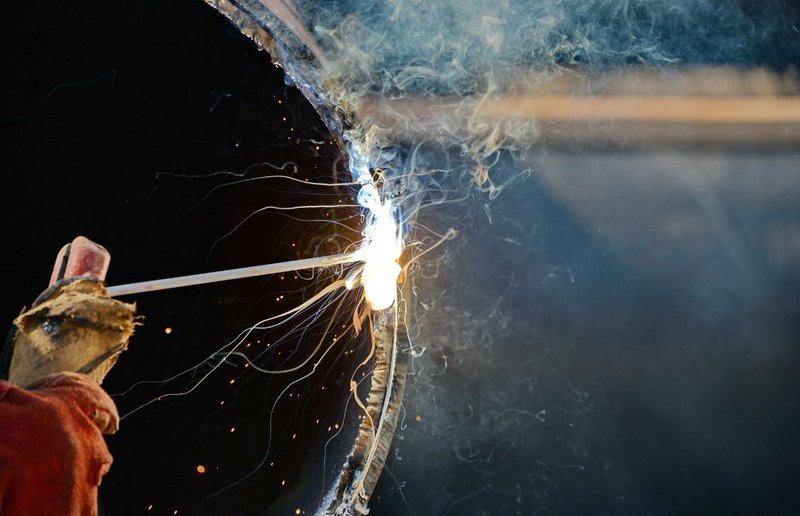
The continuous nature of ERW production also reduces material waste compared to some other manufacturing processes. Less waste translates directly into better pricing without cutting corners on quality. That efficiency is one reason ERW pipe remains a go-to choice across large infrastructure programs.
ERW Pipe Performance That Matches Infrastructure Demands
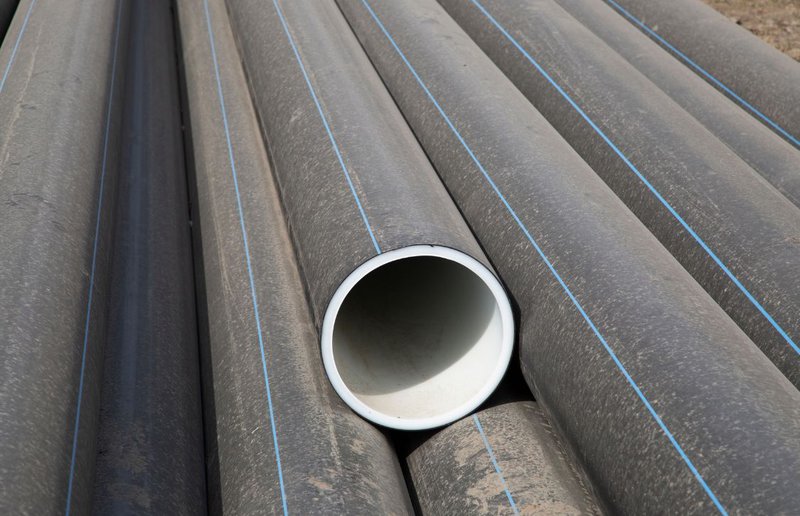
Cost matters, but only if the product performs where it counts. ERW pipe meets rigorous ASTM A252 standards for strength, dimensional accuracy, and weld integrity, making it suitable for water systems, energy infrastructure, and structural applications. Modern quality control processes, including nondestructive weld testing, help ensure consistent performance across every run.
We manufacture pipe pile to these exacting standards, giving specifiers confidence that cost savings never come at the expense of reliability. Infrastructure projects often run for decades, so material performance over time matters just as much as the upfront price. ERW pipe delivers on both fronts.
Comparing Total Project Costs, Not Just Material Price
Looking at material price alone can be misleading when evaluating pipe options for infrastructure work. Total project cost includes fabrication time, transportation, and long-term maintenance, all of which favor ERW pipe in many applications. A slightly lower material cost paired with easier fabrication can add up to significant project-wide savings.
When you compare pipe options for your next infrastructure project, consider the following factors beyond sticker price:
- Fabrication compatibility, since ERW pipe welds and cuts efficiently on most job sites.
- Availability and lead times, which affect whether your project stays on schedule.
- Long-term maintenance needs based on coating and wall thickness options.
- Compliance documentation required for public infrastructure bids, such as the ISO 9001 certifications Bull Moose maintains across its facilities.
Weighing these factors together gives you a more accurate picture of total project cost than material price alone. It also helps procurement teams justify their material choice to stakeholders and reviewers.
Supporting Infrastructure Projects at Scale
Large infrastructure programs need a manufacturing partner who can deliver consistent volume without sacrificing quality. Our pipe pile production runs across multiple facilities, giving project teams the capacity and reliability that large-scale work demands. We also support related infrastructure needs, from black steel pipe for industrial systems to structural tubing sourced for sustainability goals, plus guidance on choosing domestic steel tube manufacturers and proximity considerations for large orders.
If your infrastructure project needs a cost-effective, code-compliant pipe solution, reach out to our team. We will help you evaluate ERW pipe options that fit your budget and your performance requirements.