


Carbon steel tubing supports everything from building frames to industrial equipment, and temperature plays a bigger role in that performance than many specifiers realize. Heat, cold, and rapid swings between the two all change how a tube handles stress. Understanding these shifts helps you choose tubing that holds up long after installation.
We manufacture carbon steel tubing to strict ASTM A513 specifications, so you get consistent mechanical properties no matter the climate your project sits in. That consistency matters because temperature affects strength, ductility, and fatigue resistance in ways that vary by grade and wall thickness. A tube that performs well in a mild climate may need extra consideration in extreme heat or cold.
How Temperature Changes Carbon Steel Tubing Behavior
As temperatures rise, carbon steel tubing generally retains strength up to a point, then begins to lose tensile capacity as heat approaches several hundred degrees Fahrenheit. Thermal expansion also becomes a factor in long structural runs, since the metal expands and contracts with every seasonal shift. Engineers account for this movement with expansion joints and careful connection detailing.
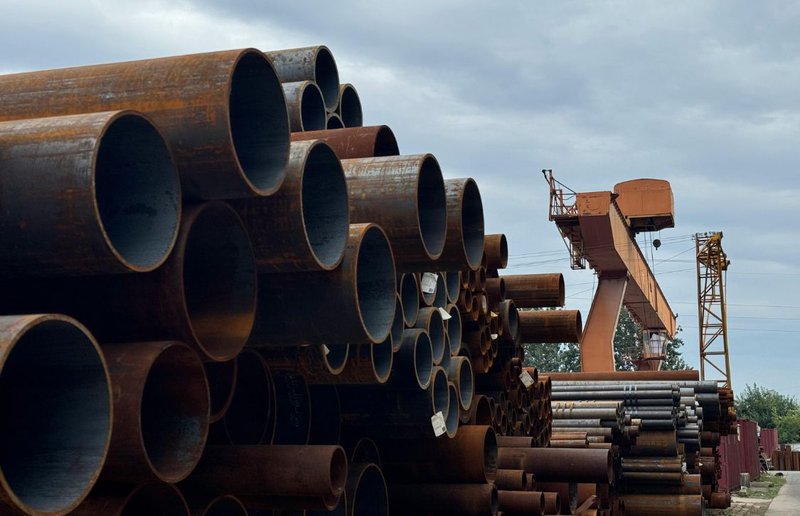
Cold weather introduces a different challenge. Carbon steel can become more brittle at low temperatures, which raises the risk of fracture under sudden impact or load. This is why grade selection and impact testing matter so much for tubing destined for northern climates or refrigerated facilities.
Rapid cycling between hot and cold, common in industrial settings near furnaces or outdoor exposed structures, adds fatigue stress over time. Repeated expansion and contraction can loosen connections or create small cracks if the tubing was not specified correctly from the start. That is one reason working with an experienced manufacturer pays off during the design phase.
What to Check Before You Specify Tubing for Temperature Extremes
Before locking in a carbon steel tubing order for a temperature-sensitive project, a few checks can save headaches later. Consider the following:
- Confirm the ASTM grade matches your project's expected temperature range and code requirements.
- Ask about impact testing data if the application involves low-temperature exposure.
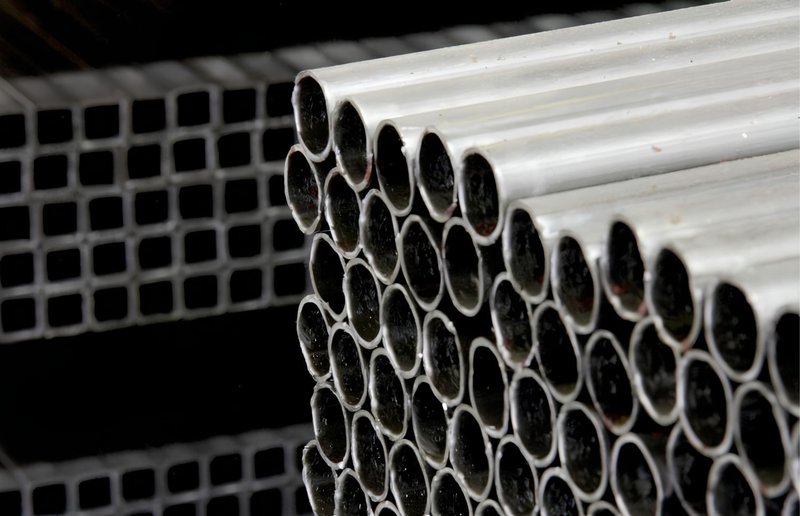
- Review wall thickness options, since thicker walls often handle thermal cycling more predictably. Our mechanical tube bundle chart lists available sizes and configurations.
- Discuss coating or coating compatibility if the tubing will face both heat and moisture.
Working through this checklist early keeps your project on schedule and reduces the chance of costly rework. It also gives your engineering team the documentation needed for code compliance.
Why Manufacturing Quality Matters More in Extreme Conditions
Not all carbon steel tubing is produced to the same tolerances, and that gap becomes obvious once temperature extremes enter the picture. We control chemistry and processing closely across our seven North American plants, which helps ensure the mechanical properties you order are the properties you receive. Consistent production reduces the variability that can cause unexpected performance issues in the field.
If your next project involves wide temperature swings, from cold storage facilities to industrial plants with high heat exposure, our team can help you select the right carbon steel tubing specification for the job. We also support related applications, including structural tubing for LEED-focused builds, black steel pipe for industrial systems, and slim profile HSS column designs for space-constrained projects.
Ready to talk through your project's temperature requirements? Reach out to our team and we will help you find the right carbon steel tubing for your climate and application.