Why HSS Steel Is the Gold Standard for Seismic Resilience
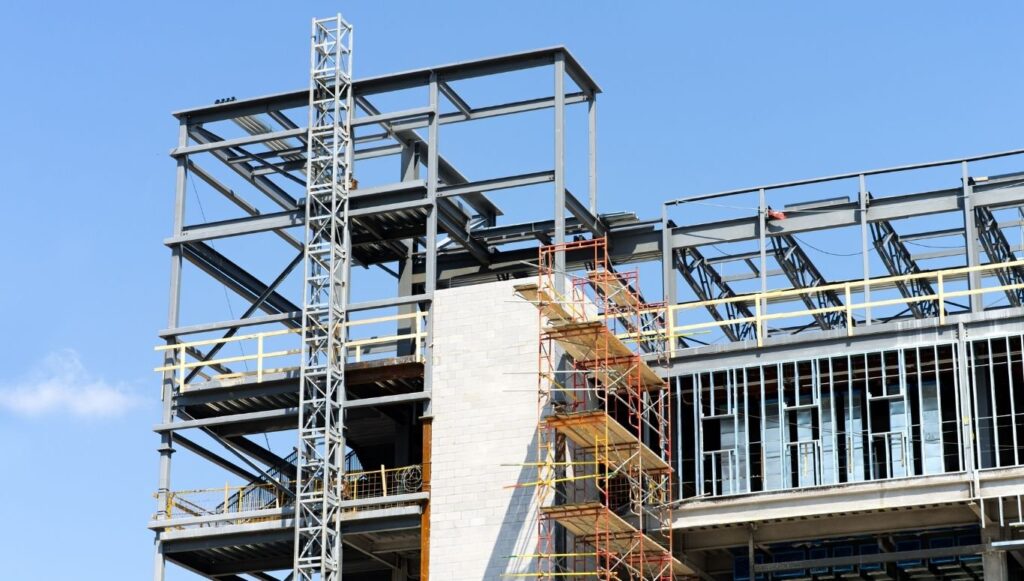
The case for HSS steel in seismic design goes deeper than bidirectional strength. Material specification, Ry factors, and CVN requirements all shape how the section and its connections perform.
Superior Load-Bearing Performance of HSS Steel Tubing in Construction

HSS steel tubing’s closed geometry delivers load resistance in every direction. Here’s what it means for column and frame design.
Hollow Structural Sections: How HSS Steel Supports Sustainable Building Practices

HSS steel’s recycled content, EPD transparency, and geometry-driven efficiency make it a strong fit for sustainable building goals. Here’s what the engineering behind the design actually means.
How to Select the Right Steel Tubing for Industrial Fabrication
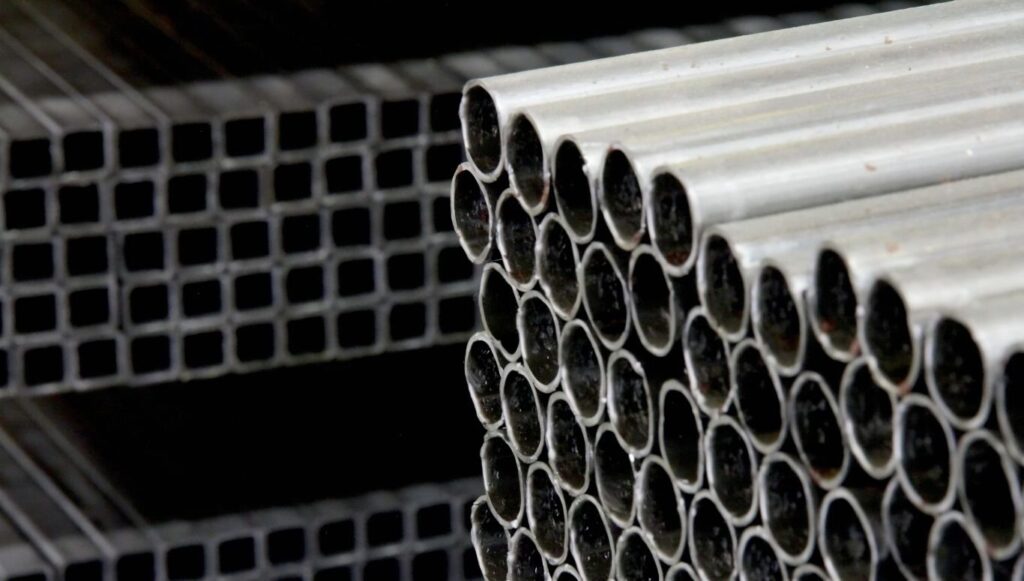
Selecting steel tubing for industrial fabrication requires matching grade, form, and tolerance class to the application and not just ordering to size.
The Future of Automated Structural Steel Fabrication
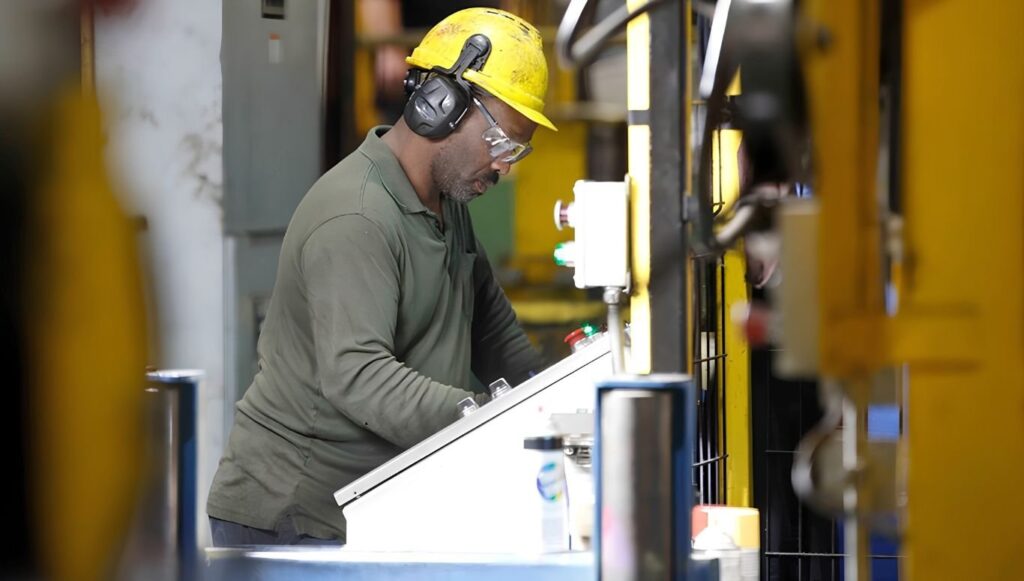
Automated structural steel fabrication demands consistent input material. Any dimensional variation undermines the precision CNC and robotic systems depend on.
Why Modular Data Center Design Is Gaining Momentum
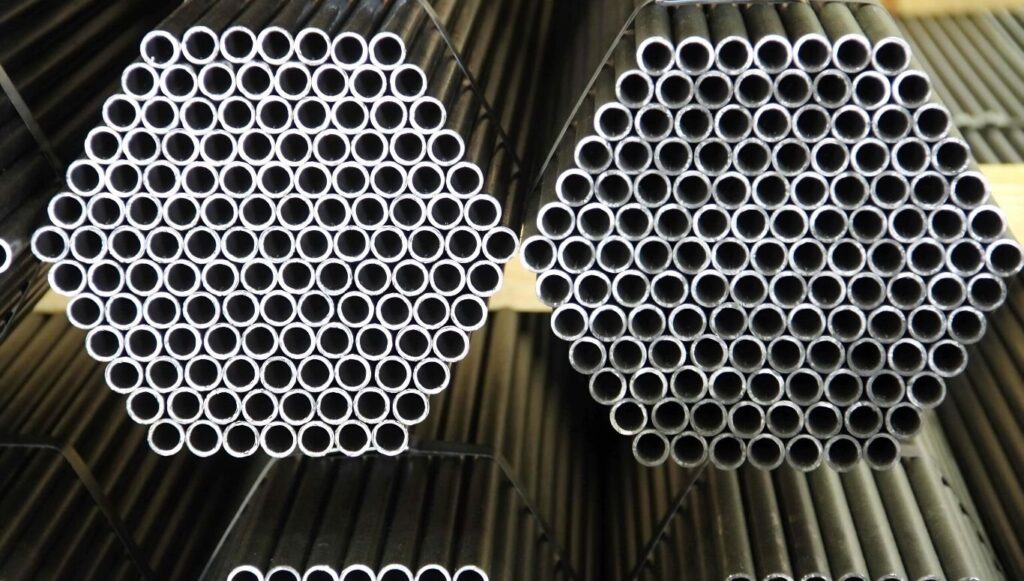
Modular data center design cuts deployment time by moving fabrication offsite. Steel structural systems are what makes that possible.
Selecting the Best Fire Sprinkler Pipe for High Occupancy Commercial Buildings
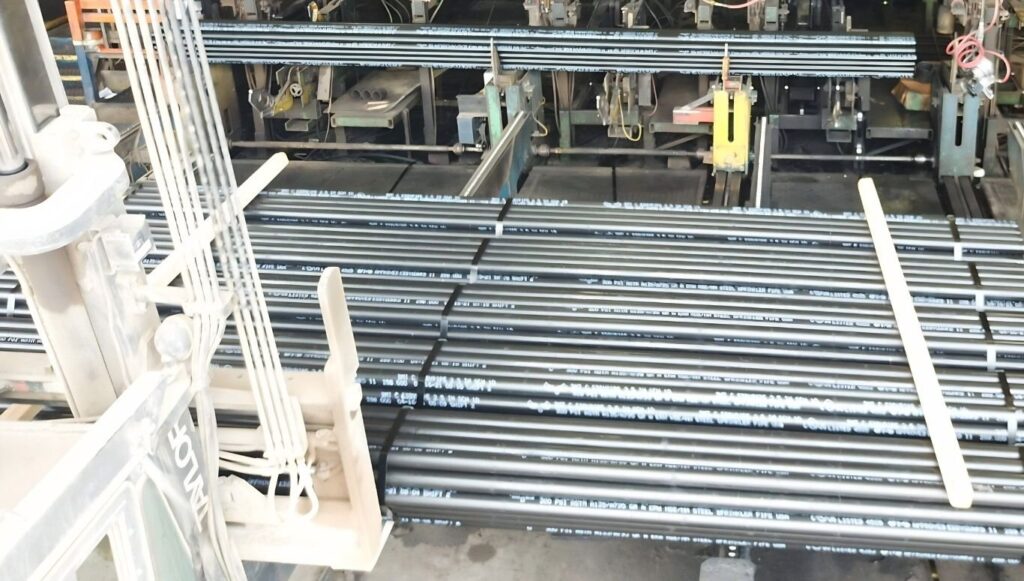
Fire sprinkler pipe selection goes beyond code minimums. Occupancy type, pressure, and system design all drive the right spec.
Critical Advantages of Mechanical Steel Tubing for OEM Applications
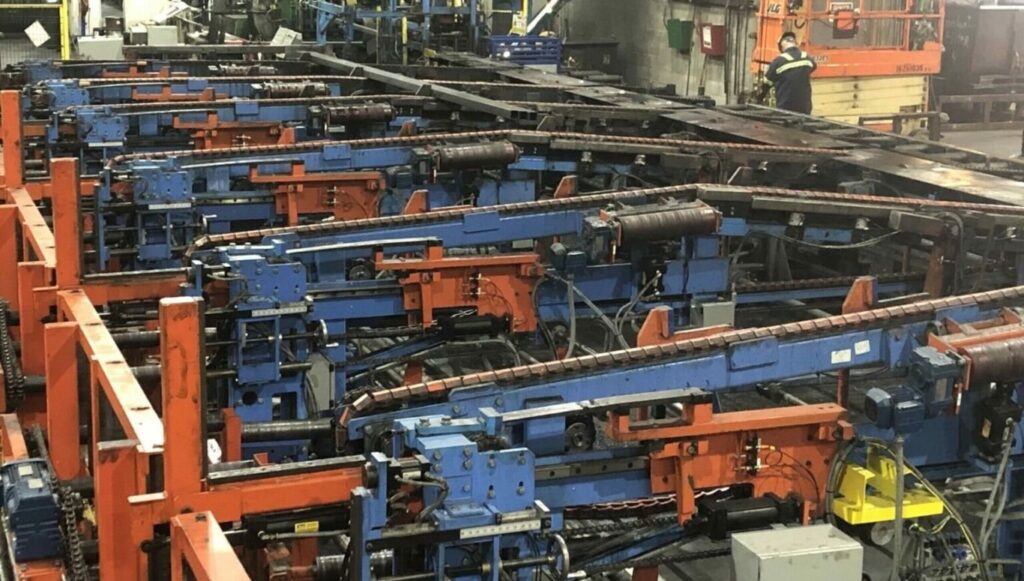
Mechanical steel tubing’s tighter tolerances and controlled surface finish directly reduce scrap and machining costs in OEM production.