


Sourcing decisions carry more weight than ever for construction and manufacturing buyers, and domestic steel tube manufacturers offer advantages that go beyond simple patriotism. When you choose a domestic partner, you gain shorter supply chains that reduce lead time risk and more predictable compliance with the standards your projects demand. Communication also becomes easier, since time zones, language barriers, and cultural gaps no longer complicate every order or specification change.
These advantages matter even more as supply chains face ongoing pressure from global disruptions and shifting trade policies. A domestic manufacturer can respond faster when project timelines shift or specifications change, and you avoid the added uncertainty that comes with customs delays or overseas quality variability. Knowing what to evaluate helps you separate strong domestic partners from suppliers who fall short on delivery, so you can build relationships that hold up under real-world demands.
Steel Tube Manufacturers' Capacity and Facility Footprint
The first thing worth checking is a manufacturer's production capacity and how many facilities support it. A single-plant supplier can struggle to keep up during periods of high demand or unexpected equipment downtime. Manufacturers with multiple facilities across the country offer more resilience and flexibility when your project timeline shifts.
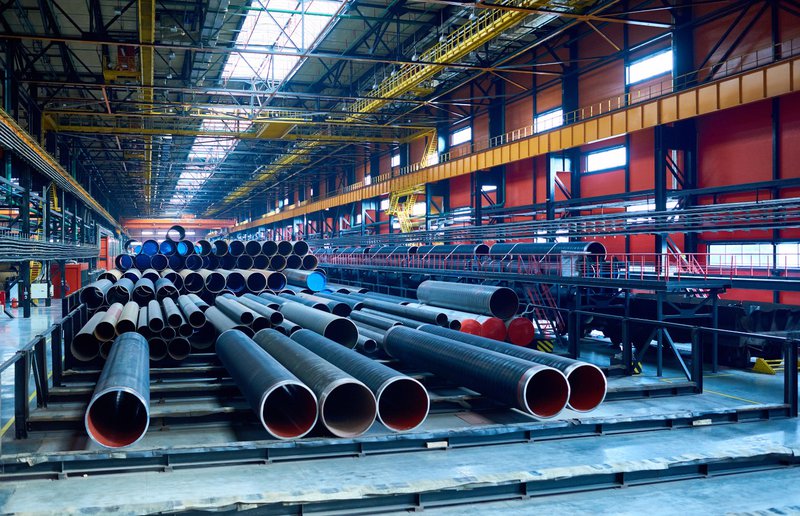
We operate seven manufacturing facilities throughout North America, giving us the capacity to serve large orders without the single-point-of-failure risk that smaller operations carry. This footprint also allows us to serve regional projects more efficiently, since material does not need to travel as far. Ask any prospective supplier directly about their facility count and regional coverage.
Quality Control and Standards Compliance
Domestic steel tube manufacturers should be able to speak fluently about ASTM compliance and quality control processes for products like HSS, pipe pile, and mechanical tubing. Consistent chemistry, dimensional accuracy, and mechanical testing all separate reliable manufacturers from inconsistent ones. Ask for documentation and testing reports before committing to a large order.
Here is a practical checklist for evaluating quality control at any domestic manufacturer you are considering:
- Request recent mill test reports and ISO certifications to confirm chemistry and mechanical properties.
- Ask how often the manufacturer performs internal quality audits.
- Confirm certifications relevant to your project, including any ASTM or international standards for HSS and mechanical tubing.
- Review the manufacturer's process for handling nonconforming material.
Working through this checklist before signing a contract protects your project from quality surprises down the line. It also signals to your supplier that your team takes compliance seriously.
Lead Times and Communication
Domestic manufacturers should offer clearer communication and more predictable lead times than overseas suppliers dealing with longer shipping routes and time zone gaps. Ask potential suppliers for realistic lead times tied to your specific order size and product mix. A manufacturer who cannot answer this clearly may struggle to meet your project deadlines later.
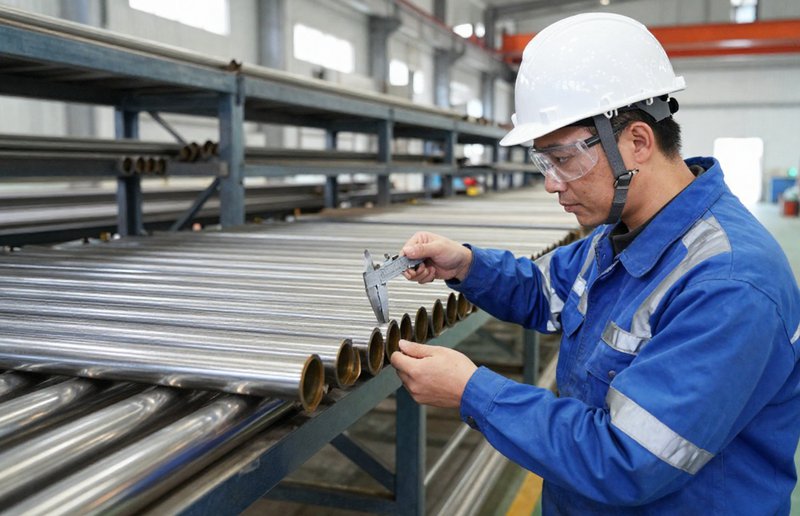
Strong communication also matters when specifications change mid-project, which happens more often than most buyers expect. Domestic steel tube manufacturers with dedicated account teams can respond quickly to these changes without the delays that come from international coordination. That responsiveness often proves just as valuable as price.
Choosing Steel Tube Manufacturers Built for Your Project
Selecting the right partner among domestic steel tube manufacturers comes down to capacity, quality, and communication working together. Our hollow structural sections, mechanical tubing, and pipe pile products are manufactured across our North American facilities to meet the standards your project demands.
We also cover related sourcing topics in our breakdown of proximity and its impact on steel sourcing, our overview of ERW pipe value for infrastructure projects, our guide to black steel pipe applications, and our look at scalable data center infrastructure planning.
Ready to evaluate a domestic manufacturing partner for your next project? Contact our team, and we will walk you through our capacity, quality standards, and lead times.