


Steel tubing selection for industrial fabrication is a specification decision, not a procurement shortcut. Choosing the wrong form, grade, or tolerance class creates problems downstream: poor weld quality, failed inspections, inconsistent machined dimensions, or structural members that don't meet design requirements. Getting it right starts with matching the tube’s specifications to the application's actual demands.
Industrial fabrication covers a wide range of end uses, from structural frames and equipment supports to precision-machined components and hydraulic assemblies. Each category imposes different requirements on the steel tubing, and the distinctions between available product types map directly to those requirements.
Structural vs. Mechanical Steel Tubing: The First Selection Decision
The most fundamental distinction in steel tubing is between structural and mechanical product. Structural steel tubing, including Hollow Structural Sections (HSS), is produced to meet strength and dimensional requirements defined by American Society for Testing and Materials (ASTM) standards such as ASTM A500 and ASTM A1085. These standards specify minimum yield strength, tensile strength, and dimensional tolerances appropriate for load-bearing applications.
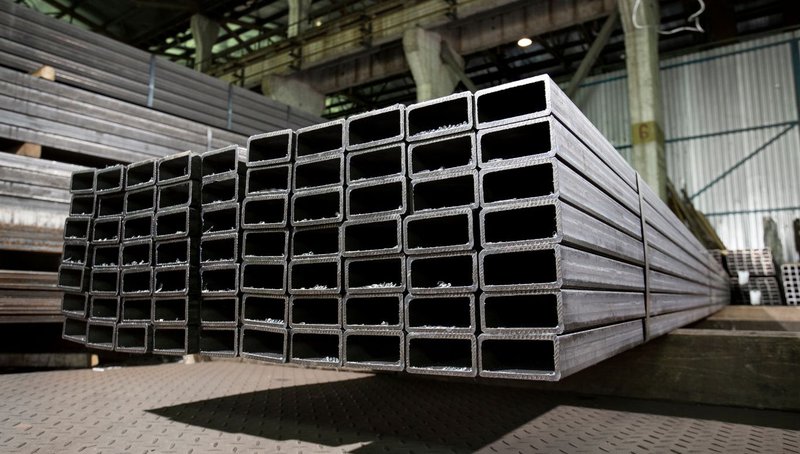
Mechanical steel tubing is typically produced to tighter dimensional tolerances and more controlled surface conditions. ASTM A513, which covers Electric Resistance Welded (ERW) mechanical tubing, defines product types with tolerances suited to forming, machining, and precision assembly. When the fabrication process involves turning, boring, or close-tolerance fit-up, mechanical tubing is the correct starting point.
Specifying structural tubing where mechanical tubing is required, or vice versa, introduces avoidable cost and quality risk. Material selection should be driven by how the tube will be processed and the performance requirements of the finished component.
Steel Tubing Grade and Chemistry Selection
Once the product type is established, grade selection follows from the application's mechanical property requirements. Weldability and formability make them appropriate for fabricated frames, supports, and assemblies that involve significant welding. Higher-strength grades deliver more load capacity per pound of material, which matters in weight-sensitive (lightweighting) designs or applications with high stress concentrations.
For structural HSS applications, ASTM A1085 provides tighter chemistry controls and a minimum yield-to-tensile ratio that improves ductility performance. This matters in seismic applications and any frame where energy absorption during loading is a design consideration. For general structural fabrication, ASTM A500 Grade C covers the majority of column and brace applications.
Dimensional Form and Surface Condition
Steel tubing is available in round, square, and rectangular cross-sections. The right shape depends on connection geometry, load direction, and fabrication method. Square and rectangular sections offer flat surfaces that simplify welded connections and base plate details. Round sections provide torsional efficiency and visual continuity in exposed applications.
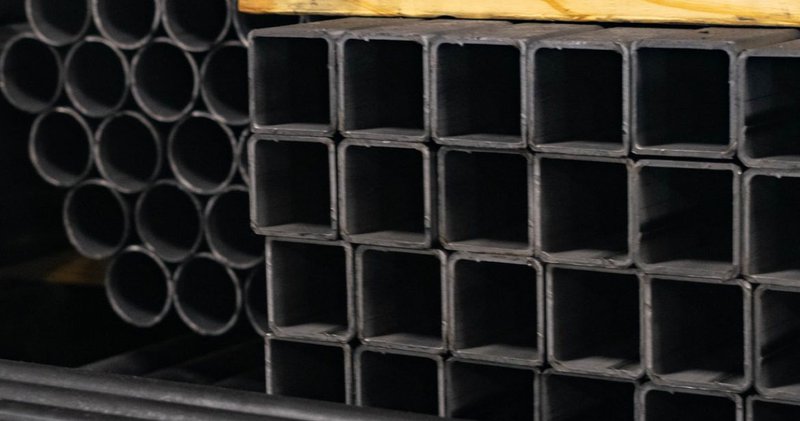
Wall thickness selection follows from both structural demand and fabrication process. Thinner walls reduce weight but limit weld joint detail and may not support tapped connections. Heavier walls provide more capacity and easier connection detailing at the cost of additional weight.
Surface condition matters when the tube undergoes secondary operations. Hot-rolled surfaces are adequate for most structural and general fabrication uses. Cold-drawn or turned surfaces are necessary when tight tolerances or specific finish requirements apply.
Applying This Framework in Practice
A fabricator building equipment frames for a food processing facility has different steel tubing requirements than one producing structural columns for a commercial building. The former will typically require mechanical tubing with controlled surface finish and suitability for coating or plating applications. The latter requires structural HSS produced to ASTM standards, with certified mechanical properties and material test reports to support load-bearing performance.
Applying this selection framework at the design stage reduces material substitutions, fabrication rework, and inspection failures. Bull Moose Tube's product range covers both structural and mechanical steel tubing applications across a broad size and grade offering. To work through specifications for your next fabrication project, contact Bull Moose Tube.