


Foundation engineers weigh several deep foundation options before committing to a final system. Driven steel pipe pile and drilled shafts both carry heavy structural loads on most sites. You choose between them based on soil conditions, schedule, and site access limits.
Both foundation types perform well when engineers match the method to site conditions. Cost, timeline, noise, and load capacity all factor into that final project decision. Here is how driven steel pipe pile compares with drilled shafts on real projects.
Where Driven Steel Pipe Pile Outperforms Drilled Shaft Foundations
Steel pipe pile installation moves quickly, since crews drive hundreds of feet per shift. Every pile gets verified in real time, keeping tight schedules on track from foundation through framing. Standard soil conditions favor this driven option, since factory-controlled steel gives dependable, well-documented material properties. A driven pile is a tested pile!
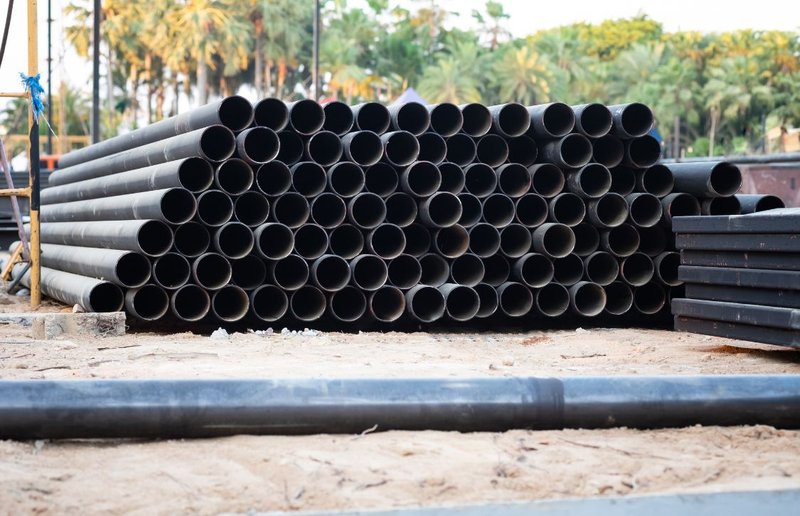
Driven pile often wins out on projects that share several common site characteristics:
- Standard soil conditions without large boulders or major underground obstructions on the site.
- Tight construction schedules that reward fast and verifiable pile installation on every phase.
- Project teams favoring factory-fabricated steel over extensive cast-in-place concrete field operations on site.
- Load demands well matched to standard diameters and available wall thickness.
Quality control also favors steel pipe pile, since mills document every heat and batch of steel. Engineers can review load-bearing performance data long before steel reaches the job site. Most project site conditions often favor the driven option over a drilled shaft solution. The biggest advantage of driven piles is winning on cost and schedule across a wide range of projects.
When Drilled Shaft Foundations Make More Sense
Some project sites favor drilled shafts over driven installation methods entirely. Soft organic soils and high water tables complicate driving without added project risk. Urban sites near existing occupied buildings often consider the Push-In/Silent Piler method for steel pipe piling or possibly a drilled shaft method.
Drilled shafts, as driven pipe piling, both support massive column loads with a single large-diameter shaft element. Installation encompasses a larger footprint providing a single shaft vs several easier driven smaller steel pipe pile. Engineers weigh the trade-off against instantaneous driven pile capacity reached vs the added curing time each drilled shaft requires.

Drilled shaft quality depends heavily on careful field execution and specialized concrete placement work. Integrity testing and detailed documentation confirm the shaft meets every design requirement set.
Drilled shafts also include significant added cost which must be considered. Steel pipe pile remains the faster, more economical choice on most standard sites. Your geotechnical report should guide the final foundation decision for every project site.
Start With Quality, Choose the Right Foundation
Your foundation decision shapes cost, schedule, and long-term structural performance for many decades. Bull Moose Tube manufactures steel pipe pile that engineers trust for driven deep foundation projects nationwide. You get dependable steel, technical support, and grades suited to your soil conditions and load requirements.
Our mills produce this product in the diameters, wall thicknesses, and grades your project calls for. Every shipment includes complete mill certifications, so your engineering team can verify properties before driving starts. Seven manufacturing facilities across North America keep domestic supply steady no matter your schedule.
Every project deserves a foundation method matched carefully to its own site conditions. Our team can help you weigh steel pipe pile against drilled shaft options today. Get in touch with Bull Moose Tube to discuss your next deep foundation project.